
Live dealer games have become a defining feature of modern online gambling, creating a bridge between the digital and physical casino experience. The appeal of these games is rooted in their ability to replicate the social and psychological dynamics of a real-world casino while offering the convenience of playing from home. At the heart of this engagement is human interaction, a fundamental aspect of our social nature. Unlike automated games, live dealer platforms rely on real people to manage gameplay, deal cards, and interact with players. This human presence adds an element of unpredictability and authenticity that digital algorithms alone cannot replicate.
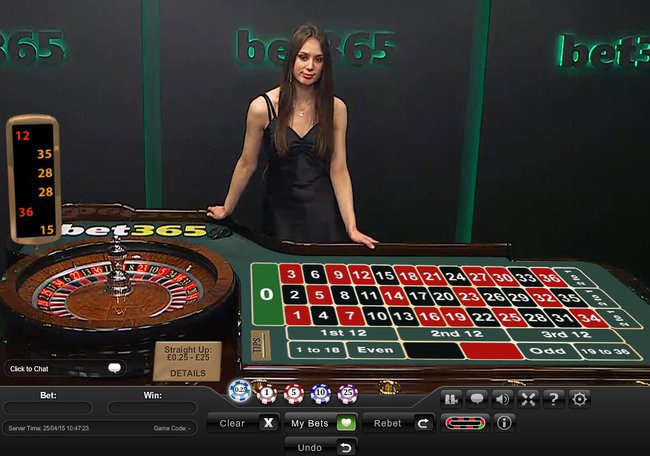
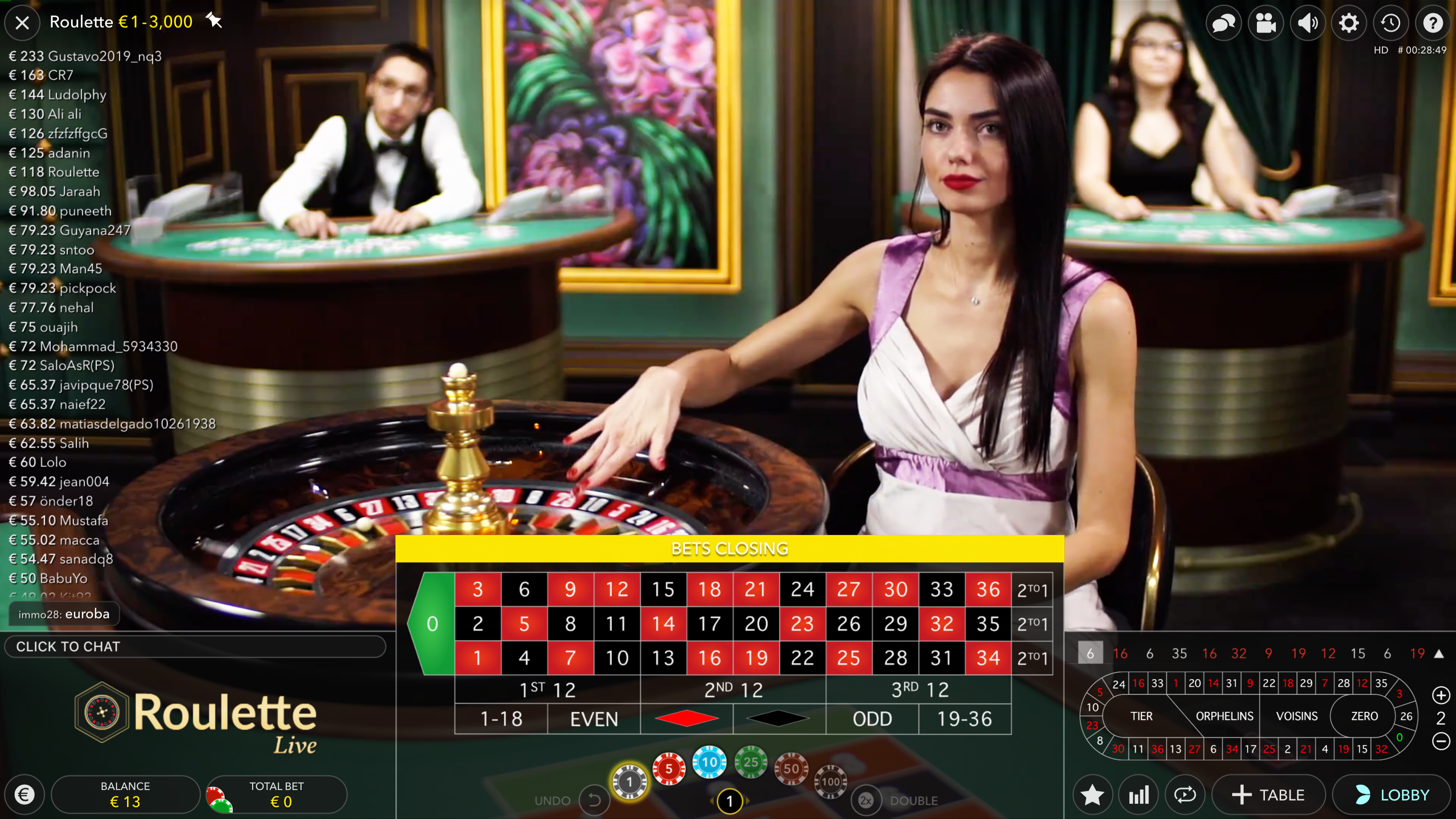
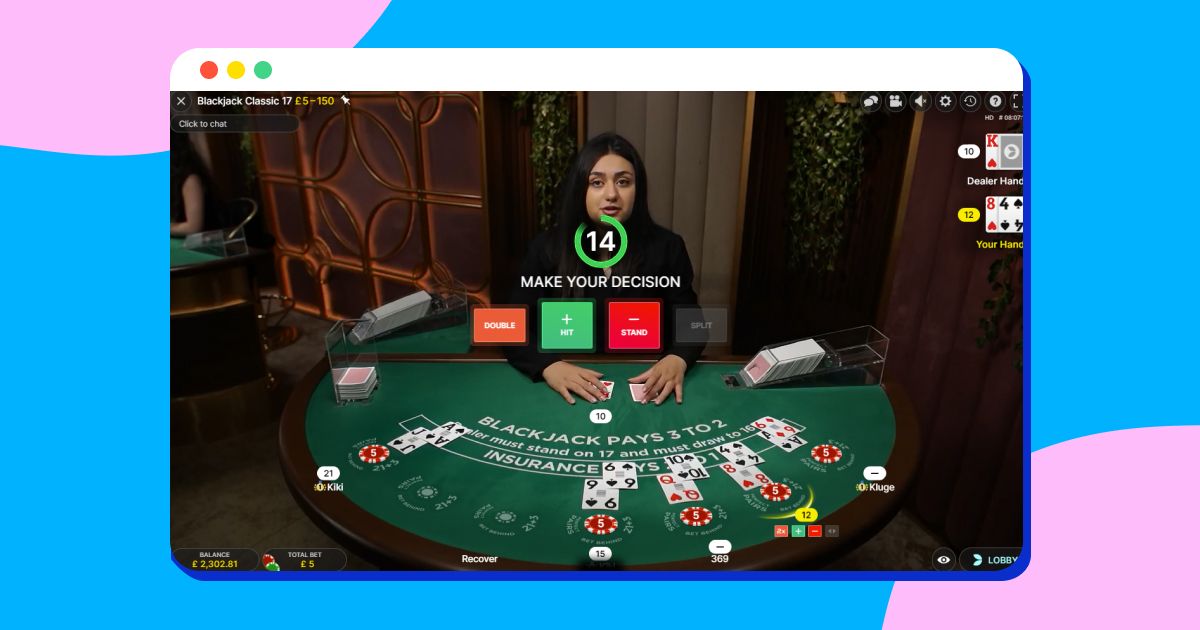
The sense of engagement begins with visual and auditory cues. Live dealer games use high-definition video streams, multiple camera angles, and professional lighting to create a visually immersive environment. Players can see the dealer shuffle cards, spin the roulette wheel, or deal poker hands in real time, creating a tangible sense of presence. Coupled with crystal-clear audio, players hear the dealer’s voice, the spin of the roulette wheel, or the click of chips on the table, which triggers sensory feedback closely resembling a physical casino. This multisensory experience stimulates the brain in ways that purely digital games do not, enhancing focus and attention.
Interactivity is another key component. Players are not passive observers; they can communicate with dealers and sometimes even with other players through chat functions. This exchange fosters a feeling of participation and social inclusion. Human dealers respond to questions, acknowledge bets, and occasionally engage in light banter, which personalizes the experience. This social reinforcement taps into basic psychological principles such as reciprocity and social validation. When a dealer reacts positively to a player’s comment or bet, it creates a subtle but powerful feedback loop that increases enjoyment and retention.
Transparency also plays a critical role in why live dealer interactions feel engaging. In traditional online slots or RNG-based games, players must trust that outcomes are fair, often relying on licensing and auditing information they may not fully understand. In contrast, live dealer games provide real-time proof that outcomes are generated legitimately. Observing a human dealer shuffle cards or spin the wheel allows players to perceive fairness firsthand. This transparency reduces skepticism and builds confidence, enhancing the sense of control over the game.
The unpredictability inherent in human behavior adds excitement and engagement. Unlike computer algorithms that follow predictable patterns, live dealers can make small variations in timing, gestures, and reactions. These nuances prevent the experience from feeling mechanical or repetitive. Even seasoned players encounter subtle differences in each session, keeping their attention and curiosity alive. This variability also engages the brain’s reward system more effectively. Anticipation and surprise trigger dopamine release, making wins feel more rewarding and losses less frustrating because the process itself is stimulating.
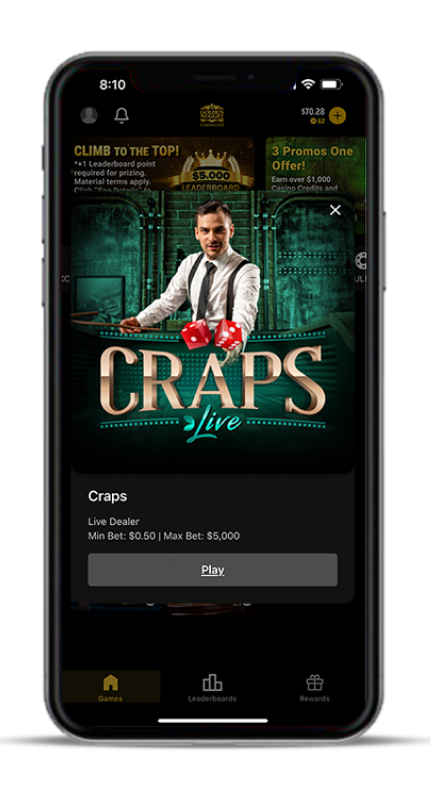
Psychological immersion is further enhanced by storytelling and thematic elements. Many live dealer games are designed with a narrative or aesthetic that complements the gameplay. Dealers may be dressed in thematic attire, tables might feature visual cues aligned with specific games, and interactive elements can guide players through a storyline. This integration of narrative with human interaction creates a more holistic experience, allowing players to mentally transport themselves into a casino environment without leaving home.
Another aspect of engagement stems from social comparison and competition. Seeing how other players bet, react, or win introduces subtle social pressures and motivations. Humans naturally evaluate their actions relative to others, and live dealer games leverage this tendency. Players may adjust strategies, increase engagement, or feel a sense of community even in competitive settings. This social layer elevates the experience beyond a solitary activity and fosters repeat play, as individuals return to see familiar faces or maintain social connections.
The role of professional and charismatic dealers should not be underestimated. Dealers are trained to maintain pace, manage multiple players, and create an inviting atmosphere. Their personalities, professionalism, and energy contribute to a game’s overall enjoyment. Players often develop preferences for certain dealers, which mirrors the loyalty seen in physical casinos. This personal attachment adds an emotional dimension to the game, transforming it from a transactional activity into an experience with human connection.
Technological enhancements further strengthen engagement. Features such as real-time statistics, dynamic camera angles, slow-motion replays, and interactive side games enrich the experience. Players can feel more involved in decision-making and strategizing, making each action meaningful. The combination of human presence, real-time interaction, and high-quality visuals produces a compelling simulation of real-world casino dynamics, amplified by the convenience and accessibility of digital platforms.
In essence, the engagement in live dealer games arises from the intersection of human psychology, social interaction, and sensory immersion. Players are drawn to authenticity, unpredictability, and social connectivity, all delivered through the lens of technology. Unlike traditional digital games, the live dealer format provides continuous feedback, personal connection, and perceptible fairness, which collectively create a richer and more emotionally satisfying experience. The psychological principles of attention, reward anticipation, and social reinforcement are intricately woven into these platforms, explaining why players often prefer them over purely algorithm-driven games. By replicating core elements of human interaction and casino dynamics, live dealer games succeed in creating an environment that feels alive, dynamic, and deeply engaging, demonstrating the enduring appeal of human-centric experiences in digital entertainment.
This blend of authenticity, social presence, unpredictability, and sensory richness ensures that live dealer interaction does not merely entertain but captivates. Players return not just for the chance of winning but for the human touch, the social connections, and the immersive experience that makes each session unique. Over time, these elements combine to foster loyalty, repeated engagement, and a sense of belonging, illustrating why live dealer games continue to grow in popularity and why human interaction remains a powerful driver of engagement in online gambling.
Engagement in live dealer games is ultimately a testament to the power of combining technology with human presence. It highlights how social and psychological needs—such as interaction, recognition, fairness, and immersion—can be met in a virtual environment, offering experiences that are compelling, satisfying, and difficult to replicate through purely automated systems. Players are not just interacting with a game; they are engaging with real people, real reactions, and real moments, which transforms a digital session into a human experience that resonates on multiple levels.
The human element, therefore, is not just a feature; it is the cornerstone of engagement. By continuously refining this combination of technology, interactivity, and social connection, live dealer platforms are able to provide a gambling experience that is both deeply engaging and highly sustainable. The dynamic interplay between real people and digital interfaces ensures that each session feels fresh, immersive, and socially rich, making live dealer interaction one of the most compelling aspects of contemporary online gaming.








Leave a Reply