Maintaining balance in slot games is a fundamental principle that directly impacts the longevity and enjoyment of player engagement. When a slot game is carefully balanced, it creates a harmonious relationship between risk, reward, and pacing, allowing players to immerse themselves in the experience without feeling frustrated or exploited. This balance is not merely about distributing wins randomly or ensuring payouts occur at regular intervals; it is about crafting an ecosystem where every spin feels meaningful, every feature serves a purpose, and players can develop strategies that align with their goals, preferences, and tolerance for risk. Properly balanced games respect both the excitement of unpredictability and the human desire for progress, thereby fostering trust and sustained interest over time.
A critical component of long-term balance is volatility management. High-volatility games deliver infrequent but substantial rewards, providing moments of intense thrill that can keep players returning in hopes of hitting a big win. Low-volatility games, on the other hand, offer frequent smaller wins that create a sense of consistent progression and reassurance. Neither extreme is inherently superior; rather, successful games find an equilibrium that accommodates varying player types. By blending features that cater to both thrill-seekers and cautious players, developers ensure that a wide audience can experience satisfaction, whether they are engaging in brief sessions or committing to extended play over days and weeks. This careful calibration encourages patience, minimizes frustration, and supports the psychological loop that keeps players invested without inducing burnout.
Paytables and reward structures are also essential in maintaining balance. The distribution of symbol values, bonus triggers, and jackpot probabilities must be carefully calculated to create a coherent reward system. Players should feel that their actions—spinning reels, activating bonuses, or engaging with special features—have a direct correlation to potential outcomes. A game that disproportionately favors rare, high-value events may initially draw attention, but it risks alienating players who rarely experience a meaningful payoff. Conversely, a system that rewards too frequently can diminish the sense of achievement and make victories feel mundane. Balance in reward systems ensures that excitement is sustained, goals feel attainable, and the journey of play retains a sense of purpose.
Another vital factor is feature integration and pacing. Modern slots often incorporate free spins, multipliers, mini-games, and other interactive elements to enhance engagement. However, overloading a game with too many features or presenting them in rapid succession can overwhelm players, reducing their sense of control and satisfaction. Balanced pacing allows features to emerge at moments that feel natural and rewarding, maintaining suspense while preventing fatigue. It also provides players with mental breathing room, giving them opportunities to absorb the mechanics, strategize, and appreciate the narrative or aesthetic elements of the game. By carefully sequencing events and ensuring that each feature complements the core gameplay, developers can create a rhythm that supports extended engagement without feeling repetitive or stressful.
Bankroll management is another dimension of long-term balance. Games designed with appropriate betting ranges and adjustable stakes allow players to engage comfortably according to their individual financial limits. Players who feel empowered to make decisions about how much to wager, without pressure from extreme losses or inaccessible jackpots, are more likely to return over time. Flexible systems that accommodate gradual progression—through mechanisms such as incremental bonuses, leveling, or tiered rewards—reinforce a sense of control and mastery. This approach cultivates a sustainable environment where players can experiment, learn, and enjoy the gameplay experience without developing negative associations or compulsive behaviors.
Psychological factors also play a significant role in sustaining long-term play. Human engagement is closely tied to the perception of fairness, control, and progress. Balanced games are transparent in their rules, consistent in their mechanics, and designed to reward skillful or thoughtful play alongside luck. When players perceive that outcomes are both fair and responsive to their actions, they develop trust in the system and are more likely to invest time and attention. Conversely, games that feel erratic, punishing, or opaque can erode confidence, causing disengagement. By carefully considering how outcomes, rewards, and interactions are communicated, developers can ensure that players experience a continuous, positive feedback loop that reinforces engagement over extended periods.
The visual and auditory design of slot games also contributes to perceived balance. Sound effects, animations, and graphical cues provide feedback that can either enhance or detract from the sense of control and rhythm. Balanced use of sensory stimuli reinforces positive outcomes, draws attention to critical events, and maintains excitement without overstimulation. A game that aligns its sensory feedback with gameplay pacing encourages players to remain attentive, anticipate rewards, and feel satisfaction from their actions. This multisensory approach, when thoughtfully calibrated, becomes a subtle but powerful tool in promoting long-term engagement.
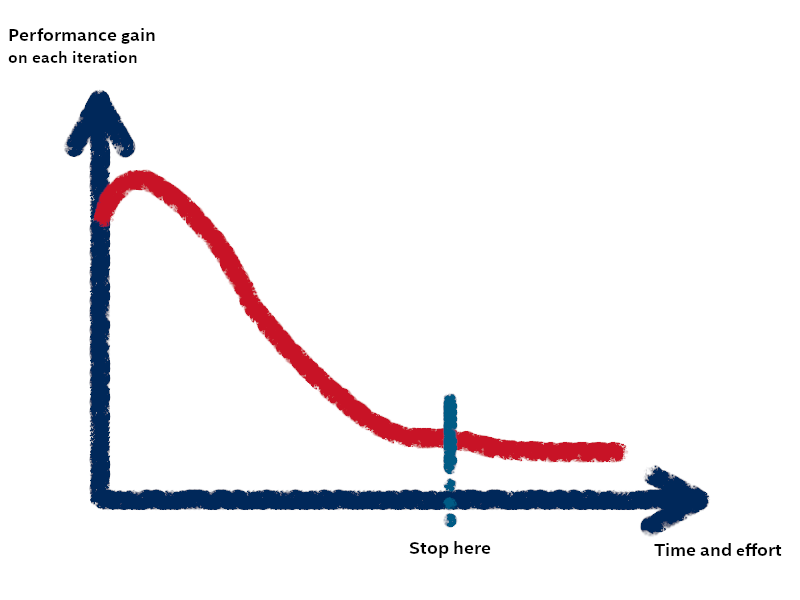
Finally, balance is supported through data-driven iteration. Developers who monitor player behavior, session length, feature utilization, and win patterns can adjust mechanics to optimize enjoyment and retention. By analyzing where players experience frustration, confusion, or disengagement, adjustments can be made to create a smoother, more rewarding experience. Iterative balancing ensures that the game evolves alongside its player base, remaining engaging and fair even as expectations shift. This ongoing refinement process demonstrates a commitment to the player experience, reinforcing trust and encouraging repeat visits over months or years.
In conclusion, balance in slot games is far more than a technical requirement—it is the backbone of sustained engagement and player satisfaction. By carefully managing volatility, reward structures, feature pacing, bankroll flexibility, psychological reinforcement, sensory feedback, and iterative refinement, developers create a coherent and enjoyable environment. Balanced games respect player agency, maintain excitement without inducing frustration, and provide a meaningful progression that encourages repeated sessions. Long-term play is sustained not by random chance alone but by a deliberate, thoughtful design that harmonizes risk, reward, and experience. When balance is achieved, players are more likely to return, explore new strategies, and immerse themselves in the gameplay world for extended periods, creating a healthy, enduring relationship between the game and its audience.