
Account controls in digital platforms, particularly in gaming and online services, play a pivotal role in enhancing user autonomy. Autonomy is the sense of having control over one’s actions, decisions, and personal data. When users are given robust account management options, they feel empowered to shape their interactions according to their preferences, needs, and limits, fostering a sense of independence and ownership over their online experience.
One fundamental way account controls improve autonomy is by allowing users to personalize settings. This personalization can include everything from adjusting notification preferences, customizing themes, setting privacy levels, to managing in-game parameters. When individuals can tailor their environment, they are not constrained by default settings that may not align with their comfort or usage patterns. This freedom enhances engagement and satisfaction, as users perceive themselves as active participants rather than passive consumers.
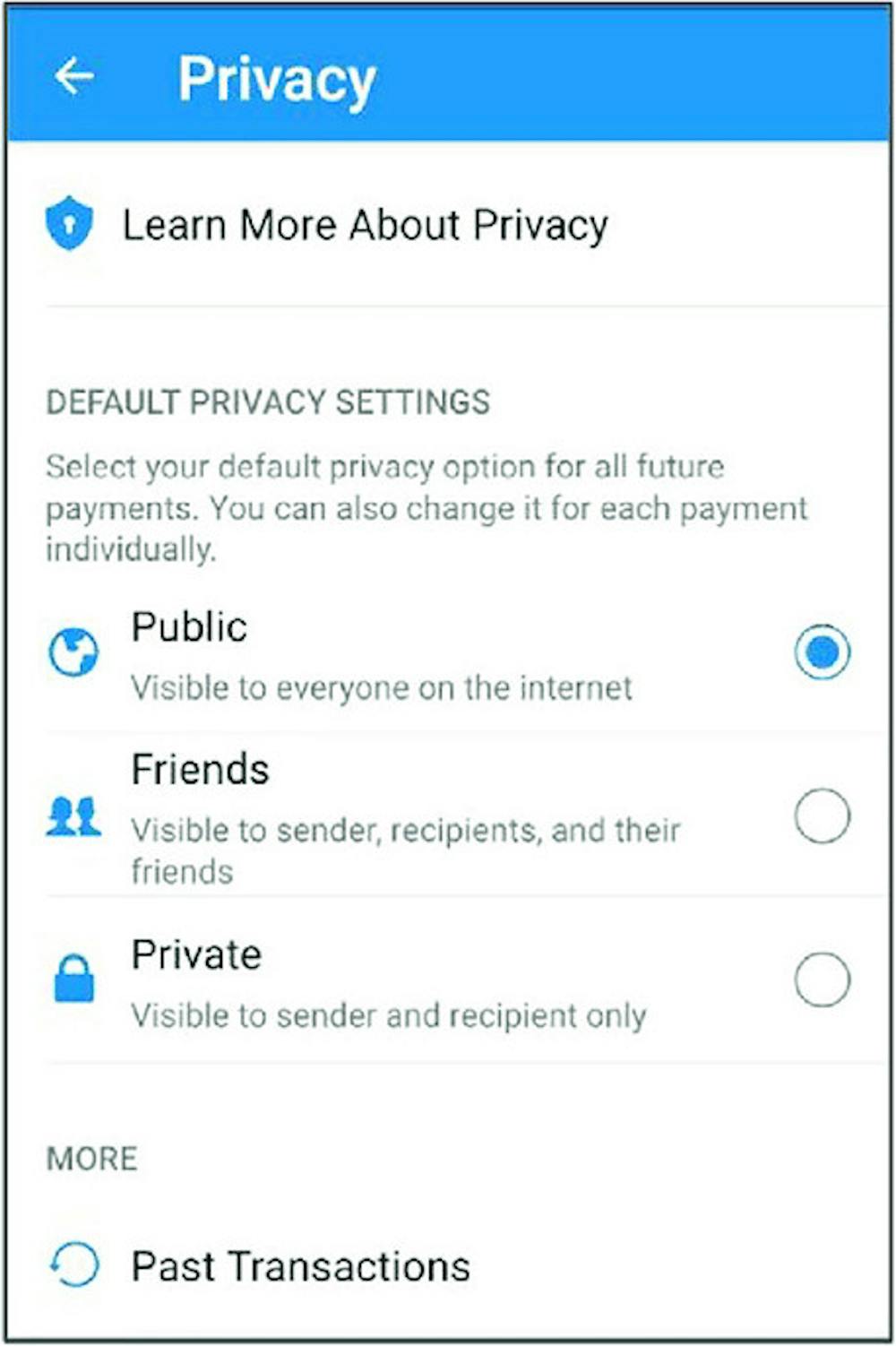
Security and privacy are also central to autonomy. When users have access to account controls such as two-factor authentication, password management, and activity logs, they can safeguard their data without relying solely on the platform’s automated protections. This control reduces anxiety related to security breaches and reinforces the user’s confidence in managing their online identity. Autonomy is strengthened when users know they have the tools to protect themselves and can make informed choices about sharing personal information.
Account controls also provide mechanisms for managing time and spending, which is particularly relevant in gaming and subscription-based services. Users can set deposit limits, daily session timers, and spending caps, which support responsible usage. By having these options, users are able to self-regulate in a manner consistent with their goals and values. This not only helps prevent negative consequences such as overspending or compulsive behavior, but it also gives users a feeling of mastery over their engagement, reinforcing autonomy.
Transparency in account settings is another crucial aspect. Clear, easily accessible controls enable users to understand what options are available and how to implement them. For instance, the ability to view past transactions, monitor activity, or adjust privacy settings without navigating complex menus makes the experience more straightforward and less frustrating. When users can readily see the impact of their choices, they feel more in control and more accountable for their actions, which enhances the perception of autonomy.
Flexibility is also an important consideration. Platforms that allow users to make temporary adjustments or experiment with different settings without permanent consequences encourage exploration and self-directed learning. This type of flexibility supports autonomy because users can test what works best for them and make iterative improvements to their experience. For example, in a game, players might adjust difficulty levels or interface layouts to match their skill or preference, thereby tailoring their journey without external constraints.
Moreover, account controls can facilitate recovery from errors or unintended actions. Features like account rollback, undo options, or easy contact with support give users confidence that mistakes are reversible. Knowing that they can correct an error without long-term consequences reduces fear and hesitation, allowing them to act independently and decisively. This safety net is a subtle but powerful reinforcement of autonomy, as it allows users to experiment and make choices without the paralyzing worry of irreversible outcomes.
Another dimension is the ability to manage multiple profiles or accounts. For users who participate in varied activities or share devices with others, managing separate profiles ensures that personal preferences, progress, and data remain under their control. This segregation of accounts enhances autonomy by preventing unwanted interference and allowing distinct experiences to coexist, each governed by the user’s choices.
Communication and notification settings also contribute significantly. Users often prefer to control the frequency, type, and channel of information they receive. By having the autonomy to opt in or out of updates, newsletters, or alerts, users avoid feeling overwhelmed or pressured, which supports a sense of self-directed engagement. Autonomy in communication ensures that interactions with the platform remain voluntary and aligned with personal priorities, rather than imposed externally.
Furthermore, the ability to deactivate or delete accounts empowers users to disengage when desired. This ultimate form of control reinforces autonomy because it confirms that continued participation is a choice, not an obligation. Knowing that they can exit at any time without undue difficulty gives users a psychological reassurance that their agency is respected. Platforms that honor such requests demonstrate a commitment to user empowerment, further reinforcing the value of autonomy.
Social and community interactions are also affected by account controls. Users can manage who can see their activity, send messages, or interact with their content. By controlling their social visibility and engagement, users feel they are active participants in their social ecosystem rather than passive subjects. This control over social interactions enhances personal agency and reduces exposure to unwanted influences, reinforcing autonomy.
Finally, data portability and export options support autonomy by enabling users to transfer or back up their information independently. When users can access, export, and control their own data, they are not locked into a single platform and can make choices about where and how their information is used. This mobility supports informed decision-making and empowers users to maintain control over their digital footprint, a critical aspect of autonomy in the modern online environment.
In essence, account controls act as both a shield and a tool for users. They protect personal information, manage engagement, and facilitate self-expression while offering the flexibility to explore, adjust, and reverse actions. The availability and transparency of these controls nurture a sense of competence, confidence, and independence. When platforms prioritize robust, accessible, and user-friendly account management features, they do not just comply with technical standards—they actively enhance the autonomy of their users, cultivating trust, satisfaction, and long-term engagement. The interplay of personalization, security, flexibility, and transparency forms a comprehensive framework in which autonomy can flourish, empowering individuals to navigate digital environments on their own terms. Users are not only participants but decision-makers, crafting experiences that align with their preferences and values, all within the architecture of the platform.
Autonomy is ultimately about choice, control, and confidence. Account controls provide the tangible means through which these elements manifest, reinforcing the principle that empowered users are satisfied, engaged, and more likely to continue participating in environments that respect their agency. Platforms that neglect these features risk diminishing user autonomy, creating friction, and undermining trust. In contrast, those that embrace comprehensive account management foster an ecosystem where autonomy is visible, actionable, and deeply felt, establishing a foundation for enduring user loyalty and responsible engagement.
Leave a Reply